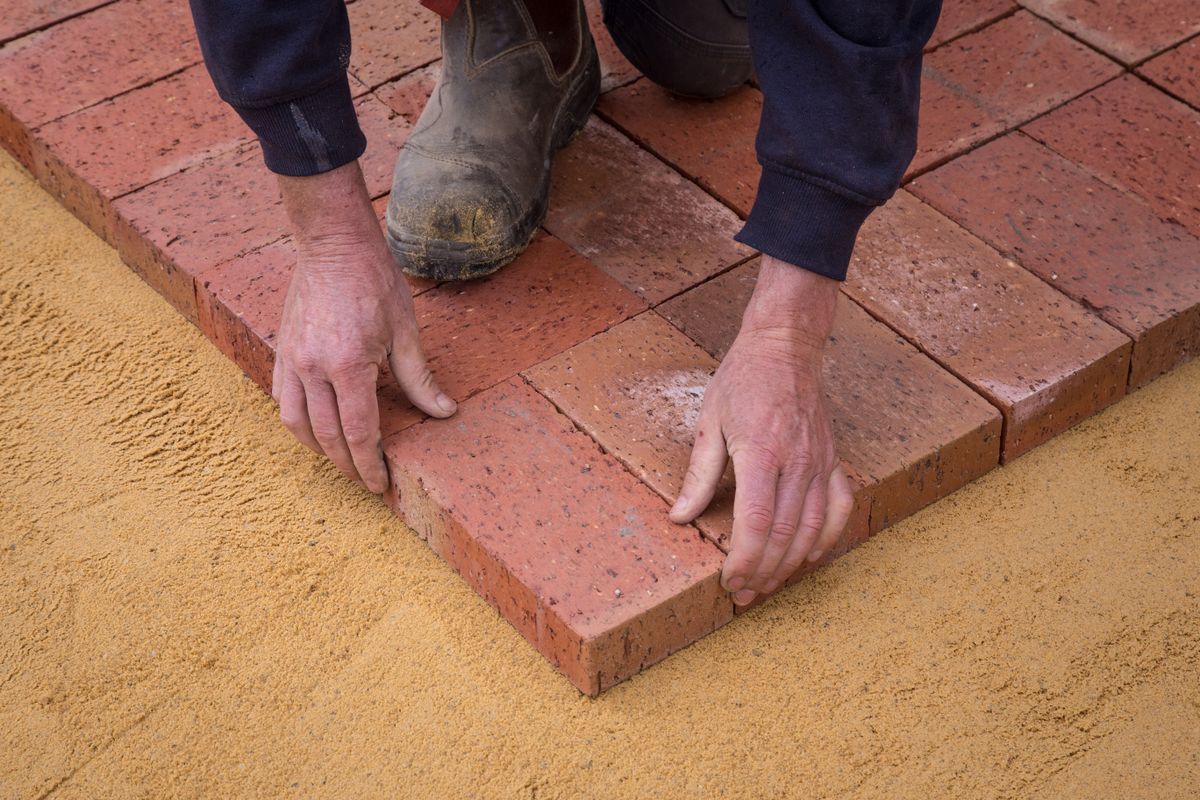
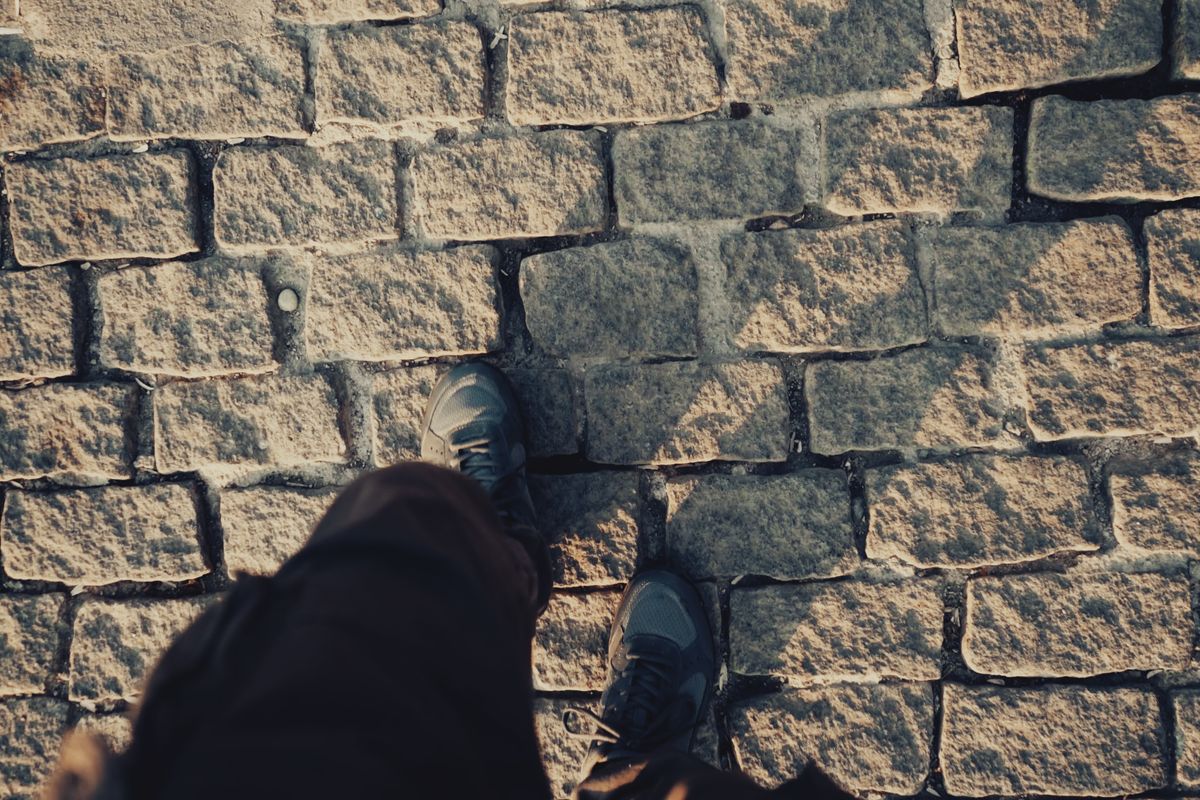
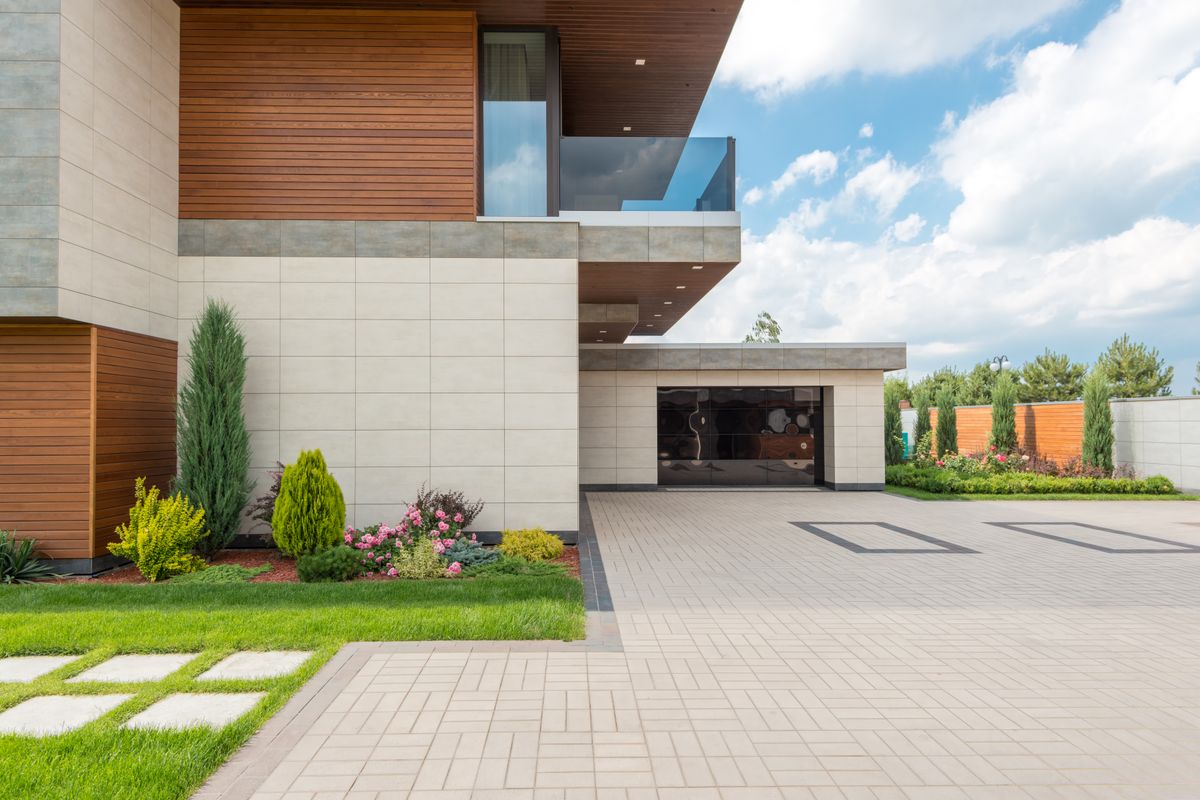
Short answer: in Greer the paver problem is not the pavers themselves — it is the ground they were laid on. A large share of the patios, walkways and driveways here went in during the last decade of new construction, on lots that were graded out of raw Piedmont red clay and then backfilled before the soil had finished settling. That is why a Greer paver patio that looked perfect at the walkthrough is, a few seasons later, showing joints that have opened, corners that have dropped, and sand washing out of the gaps after every hard summer storm. This section covers what is actually happening under a Greer paver install, why the new-build neighborhoods along the GSP corridor see it worst, and what cleaning, re-sanding and sealing can honestly fix — and what it cannot.
Why Greer's new-build lots are the hardest on pavers
Greer has been one of the fastest-growing corners of the Upstate, and most of that growth has gone into platted subdivisions on former field and pasture ground around the BMW plant and the GSP airport. Those lots are graded out of the same dense red clay that fills every yard here, and the clay is the problem. It holds water, it expands and contracts with the seasons, and it does not settle evenly. A paver patio installed on a fresh clay base will move as the ground underneath it moves, and the first thing that movement does is open the joints between the stones. The joint sand then has nowhere to hold, so the next hard rain — and Greer gets plenty — flushes it out of the gaps and down into the clay. Once the sand is gone, the pavers are free to shift, and the cycle feeds itself.
The subdivisions closest to the airport and the plant, where the grading was done most recently and the lots are still raw, are where we see the fastest joint failure. An install that is five years old on a settled, older lot near downtown Greer will hold its sand far longer than a two-year-old patio on a freshly graded lot out toward the GSP corridor. That is not a defect in the pavers; it is the ground. It is also why the fix is not simply "add more sand" — the sand has to go into joints that are stable, and the surface has to be clean enough for the polymeric sand to actually bond.
Red clay is the stain that makes a Greer patio look old
Whatever else is happening to the joints, the surface of a Greer paver patio carries a marker that is almost entirely local: the iron-rich red clay that fills these yards. On a new lot the clay is often raw, exposed grading, and a hard rain turns it into a liquid that splashes up onto the paver faces and dries into an orange cast. On an established lot the clay has years of runoff behind it, and it works its way into the texture of the stone and the sand. The clay is iron oxide, not loose dirt, so a garden hose will not move it. It has to be broken down with a cleaner and then rinsed so the runoff flows off the patio instead of back across the stones.
This is the step most people skip, and it is the step that decides whether the job lasts. If you sweep fresh polymeric sand into joints that still hold clay and biofilm, the sand does not bond properly and the whole thing fails again within a season. The clean has to come first, and it has to be thorough enough that the sand and the sealer are going onto a surface that will actually hold them. On a Greer patio that has been down for a few years, that means pulling the embedded clay out of the paver faces and out of the top of the joints before anything else goes in.
What the joint sand is actually doing, and why it washes out
Polymeric sand is not just filler — it is a joint compound that hardens when it is activated with water, locking the pavers together and resisting weed growth and washout. But it only works if three things are true: the joints are clean, the sand is swept in to the right depth, and it is activated correctly. On a Greer patio that has lost its sand, the joints are usually full of a mix of old sand, clay and organic matter, and the weeds and ants that move in once the joints open are a symptom of the sand being gone, not the cause.
Weeds and ants are the two things Greer homeowners mention most, and both are a sign that the joint is open. Once the polymeric sand has washed out, the joint becomes a channel for water, and the damp clay below it is exactly what a weed root or an ant colony wants. Re-sanding closes that channel. The honest note is that re-sanding is not a one-time fix on a settling lot — if the ground is still moving, the joints will open again, and the sand will need to be topped up on a shorter cycle. What sealing adds is a barrier that slows the whole process: it keeps the clay from staining the faces, keeps water from working into the joints as fast, and makes the next clean far easier.
What a Greer paver job actually involves
When we work on a Greer paver patio, walkway or driveway, the order matters and it is not the order most people expect.
- Clean first. The pavers are deep-cleaned to pull the embedded red clay and biofilm out of the faces and the top of the joints. This is the step that decides whether anything that follows holds.
- Let it dry. The surface has to be dry before sand goes in, or the polymeric sand will not activate properly. On a humid Upstate day that can mean waiting, and it is worth the wait.
- Re-sand the joints. Fresh polymeric sand is swept in to the correct depth and activated. This is what locks the pavers together and closes the weed-and-ant channel.
- Seal. A penetrating sealer deepens the color, blocks the clay from staining again, and makes the next algae film far easier to rinse away.
What this does not include is lifting and re-leveling sunken pavers. If a paver has dropped because the clay base has settled, re-sanding and sealing will make the surface look better, but it will not raise the stone back to level. That is a base repair, and it is a different conversation — we would rather tell you that before we start than have you discover it after.
Which Greer patios benefit most from sealing
Sealing is not a universal need, and we do not push it on every job. It pays off most on the installs that are fighting the local conditions hardest.
- Patios on recently graded lots out toward the GSP corridor, where the clay is still settling and the joints are most likely to open.
- Shaded installs that stay damp, where the moss and algae that shade encourages will otherwise keep coming back.
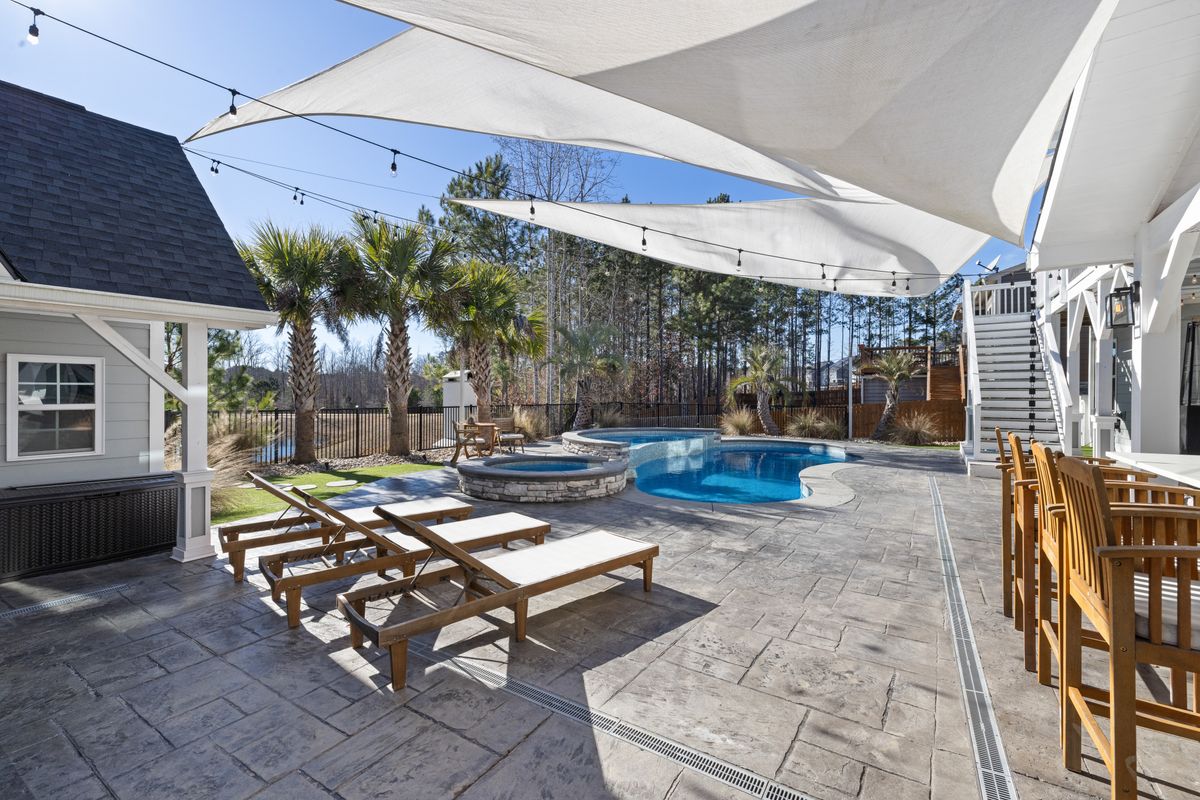
- Pool surrounds and low spots that hold water, where the sealer's barrier does the most work.
- Driveway aprons and walkways that take the heaviest traffic and the most clay splash.
On a patio that is on stable, settled ground and gets full sun, the honest answer is sometimes that a clean and a re-sand are enough, and sealing is optional. We will tell you which one you are looking at rather than selling you the full package either way.
When to book a Greer paver job
Timing matters more than most people expect. The clean-and-seal has to happen when the surface can dry, which rules out the middle of a rainy stretch. Late spring, once the pollen has wound down and before the heaviest summer storms, is the best window — the patio is clean for the whole season, and the sealer has time to cure before the weather turns. Early fall is the second good window, clearing a full season of growth before the leaves come down and the shorter days set in. On a settling lot, plan on a shorter cycle: the joints will need topping up more often than on an older, settled install. For how the whole exterior prices out, see our Greenville pressure washing cost guide.